
How many calories in Olive Garden Calamari?
Olive Garden Calamari is listed at 670 calories, 1,600 mg sodium and 24 g protein for appetizer, before added sauce. Sides, sauces, drinks and refills are counted separately. The comparison below lines this up against Calamari with Shrimp Fritto Misto and Fried Mozzarella on the same basis. The listed appetizers details can differ by restaurant and date.
Source: U.S. nutrition information PDF · checked July 23, 2026
Reviewed against current source material on July 23, 2026. Local prices and availability can still change.
Medium refresh priorityIn this guide 13 sections
Before you order Calamari: the short version
- We recommend comparing Calamari with Shrimp Fritto Misto, Fried Mozzarella and Lasagna Fritta before you choose by price alone.
- We built this page for groups comparing seafood starters with cheese and bread-based choices.
- We keep prices, portions, ingredients, hours and offers tied to your location and date.
- Before you order, we’ll show you where to verify portion, dipping sauces, shellfish or seafood handling, price and calories.
At a glance
Calamari: the calorie and serving figures we verified
Appetizer, before added sauce
Official standardized-recipe estimate; preparation can vary.
Match the exact portion and modifications before comparing.
Each number keeps the serving context used in the research. A customized meal or selected-location cart can produce a different result.
Before you order
How many calories in Olive Garden Calamari?
We can help you compare We help groups comparing seafood starters with cheese and bread-based choices make and verify one clear menu decision.. The useful part is the decision framework: serving format, likely trade-offs and the details that change the order.
One page cannot guarantee a national price, local availability or an allergy outcome. Confirm the exact restaurant, serving and final cart before relying on any time-sensitive detail.
Side by side
Calamari options compared side by side
| Factor | How to use it | What to compare | What to confirm |
|---|---|---|---|
| Primary decision | planning a fried seafood appetizer for a shared table | Calamari with Shrimp Fritto Misto, Fried Mozzarella and Lasagna Fritta | portion, dipping sauces, shellfish or seafood handling, price and calories |
| Who we built this for | groups comparing seafood starters with cheese and bread-based choices | Which option best matches Calamari, fried seafood, dipping sauce | Your party size, appetite, meal period and order channel |
| Price context | Estimate the complete order, not one headline number | Included sides, upgrades, fees, tax and per-person cost | Location-aware official cart immediately before payment |
| Nutrition context | Treat each portion and customization as a separate component | Entrée, sides, sauces, drinks, add-ons and dessert | Current official nutrition guide for the exact serving |
| Freshness risk | Recheck when the menu, recipe or location changes | Stable decision guidance versus volatile facts | portion, dipping sauces, shellfish or seafood handling, price and calories |
Nutrition context
Compare 5 Calamari servings on the same basis
| Item | Serving represented | Calories | Sodium | Protein | Price status |
|---|---|---|---|---|---|
| Calamari | Appetizer, before added sauce | 670 | 1,600 mg | 24 g | Check selected-location cart |
| Lasagna Fritta | Appetizer | 1,130 | 1,800 mg | 39 g | Check selected-location cart |
| Fried Mozzarella | Appetizer, before added sauce | 800 | 1,990 mg | 33 g | Check selected-location cart |
| Stuffed Ziti Fritta | Appetizer, before added sauce | 500 | 1,040 mg | 27 g | Check selected-location cart |
| Spinach-Artichoke Dip | Appetizer with flatbread crisps | 1,160 | 2,440 mg | 33 g | Check selected-location cart |
Checked July 23, 2026. Values use standardized serving sizes and can change with preparation or customization.
Define the job of the meal before you pick Calamari
Write down the main constraint: appetite, meal period, party size, flavor, dietary need, travel time or budget. Only then compare Calamari with Shrimp Fritto Misto, Fried Mozzarella and Lasagna Fritta. A clear constraint eliminates choices that are attractive but irrelevant.
Do not let one low number dominate the choice. A price without portion and inclusions is incomplete; a calorie figure without serving context is equally easy to misuse.
How to compare Calamari, fried seafood, dipping sauce
Use four columns: core components, included sides, portion format and change risk. Populate them with Calamari with Shrimp Fritto Misto, Fried Mozzarella and Lasagna Fritta. This exposes whether two options are truly comparable or only share a menu label.
Then add operational factors: can it travel, can it be shared, is it easy to customize and does it introduce different allergen questions? These details often decide between otherwise similar choices.

What sauce comes with Olive Garden calamari?
Calamari is served for dipping, with marinara as the classic pairing and a creamy spicy-ranch direction appearing alongside it on current menus. The listed 670-calorie figure describes the fried calamari before any sauce is added.
Sauce choice is not a rounding error: official nutrition examples for appetizer dipping sauces run from about 35 calories for marinara to as much as 290 for ranch-style cups. Ordering a second sauce doubles that add-on, which matters when the starter is shared across the table.
Availability of a specific sauce cup can differ by restaurant, so confirm the included sauce on the live menu if the pairing is the reason for ordering.
What the checked data adds to the Calamari decision
The visible comparison set runs from Stuffed Ziti Fritta at 500 calories to Spinach-Artichoke Dip at 1,160 calories. That 660-calorie spread is meaningful only with the serving labels beside it: appetizer, before added sauce versus appetizer with flatbread crisps.
Stuffed Ziti Fritta has the lowest listed sodium in this page's set at 1,040 mg, while Lasagna Fritta has the highest listed protein at 39 g. These are computed observations, not “best” labels. Use them to narrow Calamari with Shrimp Fritto Misto, Fried Mozzarella and Lasagna Fritta, then confirm portion, dipping sauces, shellfish or seafood handling, price and calories.
What Calamari may taste and feel like
A dish name alone won’t tell you what the meal feels like. We help you look at sauce weight, acidity, cheese, breading, protein, vegetables and whether the preparation is baked, grilled or fried. Those cues are more useful than a popularity label.
For this comparison, we’ll focus on Calamari with Shrimp Fritto Misto, Fried Mozzarella and Lasagna Fritta. Your closest alternative may sit in another menu section; what matters is finding the dish that satisfies the same appetite with one meaningful change.
Use the listed fried seafood figures without false precision
When a source displays a price, record its restaurant and check date. A number detached from both fields should be treated as a rough signal, never as a promise.
Do not label one dish “healthy” from a single metric. Calories, protein, sodium, allergens, portion and personal medical needs answer different questions and require different sources.
Identify the volatile appetizers facts before they surprise you
For Calamari, the changeable fields are price, availability, portion, ingredients, hours and participation. Promotions, alcohol, lunch cutoffs, holiday schedules and catering lead times carry especially high freshness risk.
Save the exact location with any screenshot or note. If a strict budget, health need or event depends on the answer, confirm it again before travel or payment.
The final check before you order fried seafood
Move through five gates: location, availability, composition, restriction check and checkout. Stop if a health-critical or event-critical field remains ambiguous; ask the restaurant rather than guessing.
The aim is not to make ordering complicated. It is to spend a few minutes on the facts that can materially affect cost, timing, quantity or safety.
Questions and answers
Calamari questions people ask most
The Olive Garden menu snapshot lists Calamari at $12.29 in the appetizers section. That price was checked 2026-07-23; restaurant, order channel, portion and date can change the final amount.
Keep exploring with us
More Appetizers guides to read next
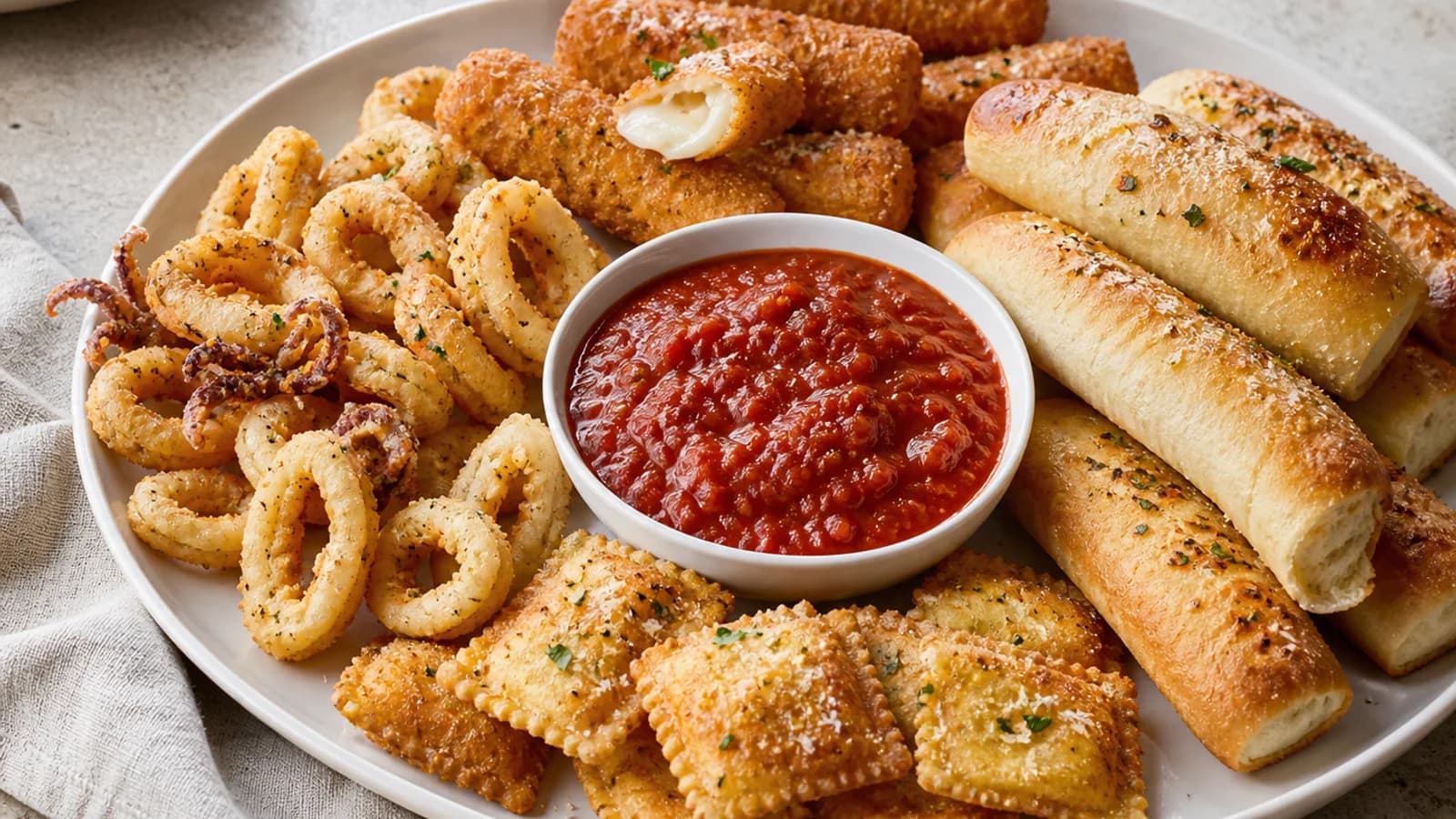 AppetizersOlive Garden Stuffed Ziti Fritta: Filling & SaucesRead next AppetizersOlive Garden Lasagna Fritta Guide: Flavor & PortionRead next AppetizersOlive Garden Fried Mozzarella: Price & 800 CaloriesRead next AppetizersOlive Garden Spinach-Artichoke Dip: Serving Size & PriceRead next
 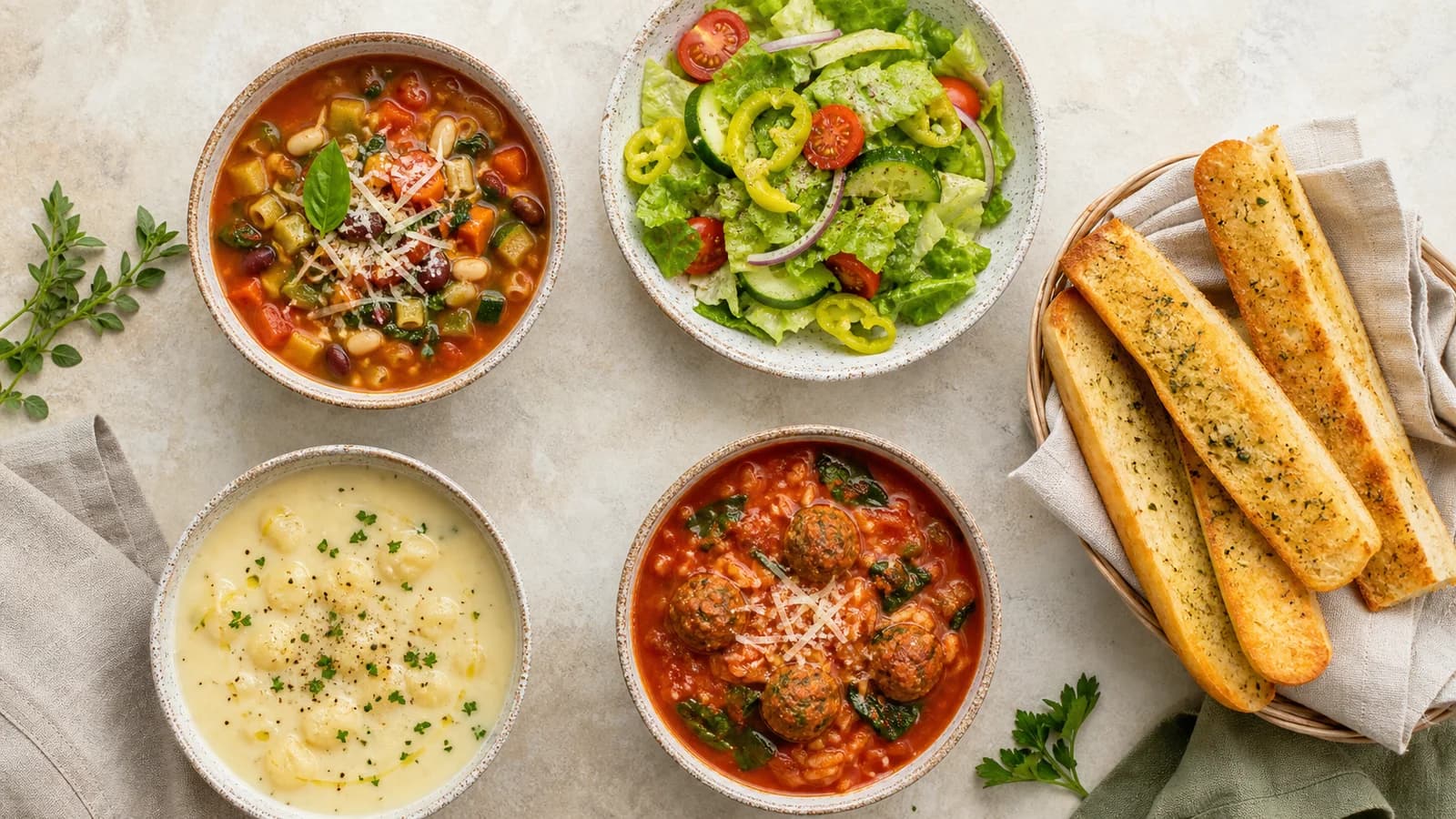 Soups & SaladsOlive Garden Breadstick Calories: Count the Full BasketRead next
 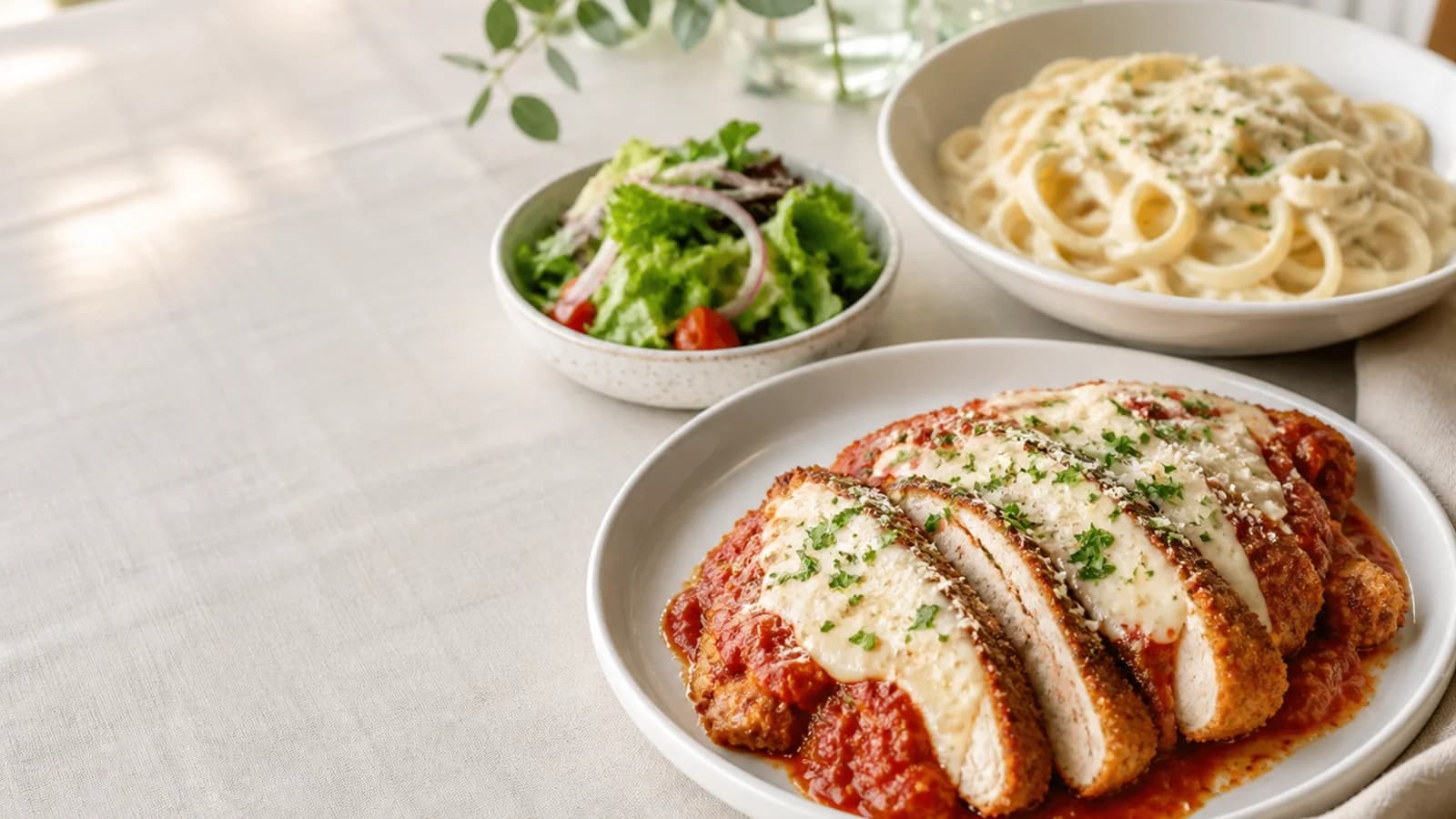 PastaOlive Garden Five Cheese Marinara: Sauce, Dip & Where It IsRead next
 Research notesSources and methodology7 sources
These sources support the research and verification steps in this independent guide. A national source does not prove a local price or offer.